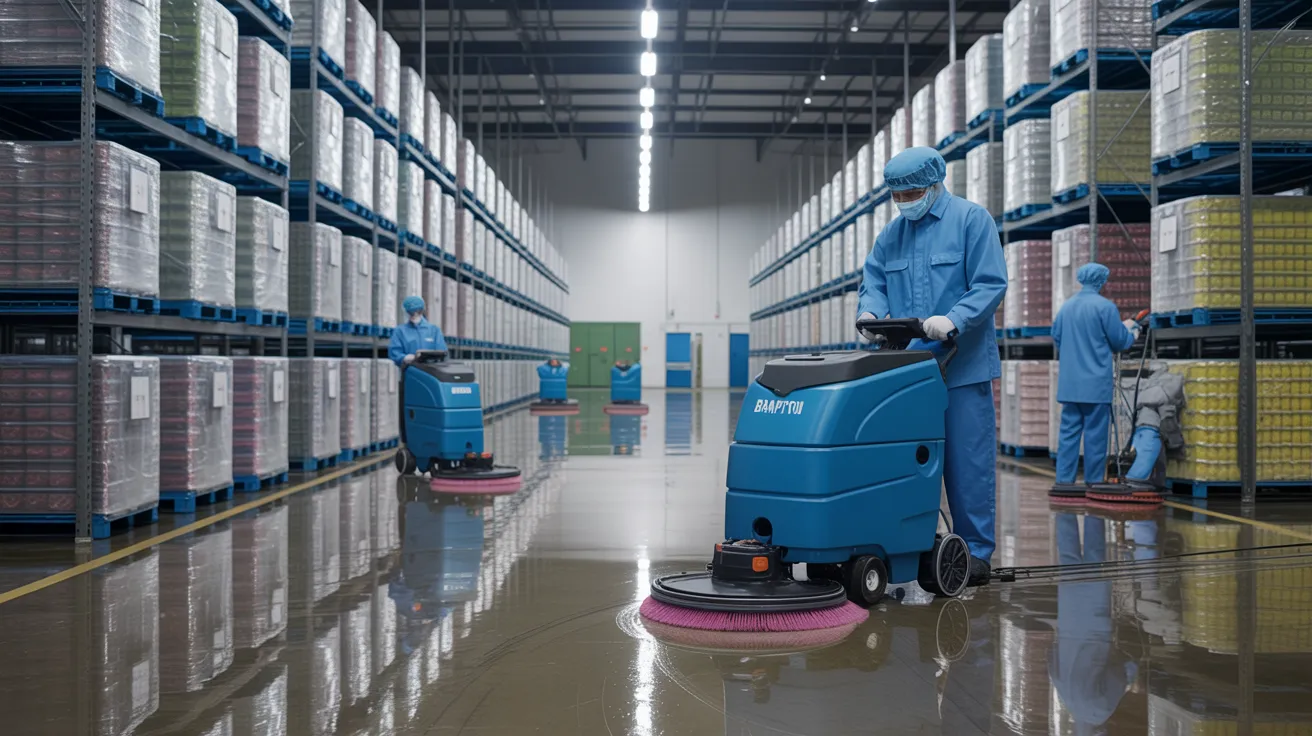
Commercial hygiene experts located in Brampton help maintain restaurants, food distribution facilities, bakeries, warehouses, and mobile food units in compliance. They disinfect frequently handled areas, food-contact areas, equipment, floors, drains, restrooms, and food handling areas using approved sanitizers, in correct dilution, and with verified times.
Key Takeaways
- Brampton's sanitation professionals maintain restaurants, grocery departments, commissaries, warehouses, bakeries, schools, mobile vendors, and allergen-sensitive operations.
- They clean frequently contacted areas, food-contact equipment, kitchens, floors, drains, restrooms, and storage areas using compartmentalized approaches to reduce cross-contamination.
- Validation of proper chemical concentration, compatibility, and contact time is completed by trained contractors, with completion documented using samples, audits, and corrective-action records.
- Effective sanitation schedules factor in threat, production volume, changeovers, spills, and standards when allocating daily, weekly, and annual duties by location.
- Coverage, coded instruments, hazard analysis knowledge, public-health knowledge, safety training preparation, testimonials, and inspection-ready cleaning files are essential provider attributes.
Brampton Facilities That Need Food Safety Cleaning: Which Ones?
You must adhere to food safety cleaning if your establishment is regulated by health department oversight, food standards, or HACCP requirements. This covers restaurants, cafeterias, commissaries, grocery food departments, butcher shops, seafood counters, convenience stores, and institutional kitchens.
You'll also need proper hygiene protocols in storage centers, processing facilities, refrigerated warehouses, bakery retailers, school nutrition programs, event halls, and delivery centers. Mobile and temporary operations are included, like catering trucks, festival vendors, and pop-up food booths. Should your employees handle raw materials, divide prepared dishes, warm finished meals, or maintain allergen storage, your location requires recorded sanitation procedures. In Brampton, sanitation continues to be required; it represents regulatory, business, and safety adherence.
What Do Brampton Cleaning Experts Clean?
You need professional cleaners who disinfect frequently contacted areas, kitchens, floors, and restrooms to comply with food safety and health regulations. They focus on these spaces because they present the highest risk for contamination spread, slip hazards, and hygiene violations.
If you grasp what they sanitize, you'll be able to confirm your facility meets required operational and regulatory standards.
Sanitizing High-Touch Zones
organize cleaning timing determined by foot traffic, environmental hazards, and business activities.
confirm that disinfection has proper
Food Prep Areas, Flooring, and Sanitary Facilities
Expect Brampton cleaning experts to target kitchens, floors, and restrooms because each area carries distinct food safety, slip-and-fall, and sanitation risks. In industrial kitchens, you need grease removal from cooking stations, appliance surfaces, drain systems, preparation areas, and backsplashes to reduce bacterial growth and pest activity.
You should also expect documented flooring maintenance. is also provided as part of the service.
For restroom sanitation, cleaners sanitize high-touch surfaces, bathroom fixtures, stall dividers, supply dispensers, and trash receptacles, then replenish amenities and manage odor. They also service restaurant moprooms, where chemical storage, sink hygiene, and drainage conditions can affect sanitation compliance and staff safety daily.
The Importance of Food Safety Cleaning in Brampton
To comply with health code requirements and succeed in audits, Brampton facilities must maintain food-safe cleaning standards. You also minimize bacterial spread through proper cleaning of food-preparation surfaces, appliances, and frequently-touched items. Most importantly, you help protect community wellness by reducing the chance of food poisoning in your establishment.
Health Code Compliance
Food companies in Brampton face strict public health standards, making food safety cleaning crucial to satisfying health code requirements, protecting patrons, and eliminating enforcement action. You must maintain hygienic food handling zones, verifiable cleaning logs, proper chemical use, and verifiable staff procedures that meet municipal and provincial inspection expectations.
Retaining detailed hygiene logs establishes due diligence for inspection audits and demonstrates that your operations are consistent, repeatable, and tracked.
Contamination Prevention
Adhering to health code standards requires your skill in preventing cross-contamination throughout routine preparation and sanitation work. You need to separate raw ingredients from ready-to-eat foods, clean prep surfaces between tasks, and keep chemicals away from food-contact items. Structured procedures reduce transfer risks and maintain ongoing regulatory adherence.
Implementing allergen segregation helps ensure major allergens don't touch communal work zones, bins, or devices. Deploy dedicated cutting boards, color-coded tools, and clear tool marking so workers don't combine products during preparation or service. Enforce hand hygiene following fresh proteins, aquatic items, egg products, or allergen materials. Replace wiping cloths regularly, and verify sanitizer strength with test strips. When you train staff to follow these controls every shift, you establish a more hygienic, safer workplace that satisfies Brampton's food safety needs daily.
Public Wellness Protection
When sanitation protocols fails, you don't just face inspection failure—you increase the chance of foodborne illness impacting customers, staff, and the wider Brampton community. You also undermine your responsibility in protecting public health, especially in high-traffic food premises where contamination can spread quickly through surfaces, equipment, and touchpoints.
You require cleaning protocols that eliminate soils, sanitize effectively, and confirm results. This involves maintaining exposure durations, using authorized sanitizers, logging schedules, and educating staff to satisfy regulatory requirements. These controls promote pathogen control by decreasing microbial counts before reaching surfaces or food. Throughout Brampton, strong cleaning safeguards susceptible populations, reduces outbreak risk, and proves your diligence. When you follow proper protocols, you go beyond requirements—you lower hazards and facilitate secure food handling region-wide.
Why Is Cleaning Essential for Food Safety Compliance?
Maintaining strict sanitation practices ensures food safety compliance by minimizing contamination hazards, managing pathogen expansion, and keeping your facility in accordance with sanitation requirements under HACCP-based programs and public health regulations. You validate that food-contact surfaces stay visibly clean and microbiologically controlled, backing documented preventive controls and inspection readiness.
Comprehensive cleaning moreover solidifies allergen management by clearing residues that can provoke undeclared allergen exposure. When you integrate verified sanitation methods with standards training, your staff can follow uniform procedures, handle approved chemicals correctly, update records accurately, and handle deviations before escalation occurs. Regular cleaning facilitates supply chain documentation, establishes remedial measures, and demonstrates commitment when audited. Moreover, it supports you maintain product quality, maintain regulatory compliance, and decrease the possibility of compliance actions, mass recalls, customer complaints, and avoidable health dangers.
When Should You Plan Commercial Cleaning?
Step up review article cleaning pace during high-volume production, equipment changeovers, spill incidents, and after maintenance work.
Drains, ventilation systems, storage racks, and difficult-to-access areas require every week or monthly service, informed by inspection data and sanitation logs.
Selecting the Right Brampton Cleaning Experts: Key Considerations
Begin by evaluating providers based on sanitation compliance standards—not solely on budget. You should confirm that each organization comprehends CFIA, public health, and HACCP-based requirements applicable to your facility. Request insurance certificates, WHMIS compliance, staff training documentation, and oversight procedures. Assess whether technicians recognize cross-contamination risks, chemical handling protocols, and verifiable sanitation records.
You should further examine service consistency and accountability. Request references from food facilities in Brampton, then review response times, corrective action plans, and communication standards. Validate the company supports supplier audits and can supply compliance documentation to authorities or external parties. Confirm equipment is maintained, color-coded implements are applied correctly, and facility-specific risks are identified. A qualified provider protects compliance, product quality, and your reputation in the market.
What does a Food Safety Cleaning Plan encompass?
Create a written plan that clearly outlines every sanitation task, standard, and responsibility prior to beginning production. You should list cleaning schedules, authorized products, mixing ratios, exposure periods, equipment, and testing procedures for each zone, surface, and piece of equipment. Don't forget to add pre-operational inspections, corrective actions, and employee training requirements.
Your strategy should also tackle prevention of contamination, waste management, pest-control tactics, and scheduled records for facilities, drains, flooring, and food-preparation surfaces. Specify how you'll separate raw and ready-to-eat processes, facilitate ingredient tracking, and maintain accurate allergen labeling through validated cleaning between product changes. You should assign accountability, document signed records, and evaluate results against regulatory standards, HACCP controls, and customer requirements. When gaps appear, update procedures immediately and retrain staff.
Commonly Asked Questions
Will sanitation providers manage nighttime hours at Brampton properties?
Yes, you can schedule cleaning services to accommodate overnight shifts in Brampton facilities. You'll coordinate overnight sanitation around operational schedules, security measures, and personnel needs. Services generally outline nightshift logistics to reduce disruption, ensure adherence, and record finished work. You should confirm response times, supervision, lockout procedures, and waste handling before service begins.
Do sanitation professionals offer emergency spill response solutions?
Yes, you can discover many Brampton sanitation experts providing hazard containment options. They handle hazardous incidents, assess dangers, contain affected zones, and initiate rapid cleanup to reduce risk and avoid operational impact. You should confirm timeframes, certifications, PPE measures, and disposal methods. If your facility must meet compliance standards, select a service that documents events, follows procedures, and supports verification.
Will green disinfectants protect safely food preparation areas?
Yes, natural disinfectants can be appropriate for food-contact surfaces if you opt for disinfectants approved for food contact and complying with regulations. You should confirm contact times, dilution ratios, and rinse requirements before deployment. Many plant-derived products reduce toxic chemical contact, but you should gather proof of efficacy against target microorganisms. To keep surfaces residue-free, you should adhere to exact manufacturer guidelines and confirm the cleaning agent satisfies relevant food safety standards.
Can cleaning plans be modified for seasonal shifts?
Yes, you can adjust sanitation programs for seasonal variations. You should revise intervals, staffing, sanitizers, and verification steps to correspond to production rhythms while maintaining compliance standards. You'll minimize production downtime by planning cleaning around line changes, maximum output, and operational patterns. You should further modify SSOPs, training, and facility monitoring to capture temporary risks, additional allergens, or increased soil loads. Ongoing evaluations maintain your strategy effective.
Are commercial cleaners providing staff training on hygiene protocols?
Indeed, professional cleaners often offer employee coaching on sanitation best practices. Your staff receives training on proper chemical use, exposure durations, cross-contamination prevention, equipment breakdown, and record-keeping. They generally adhere to instruction with HACCP, GMP, and CFIA or regional health standards requirements. Many perform sanitation audits to verify compliance, reveal issues, and reinforce corrective actions. This assists you to maintain consistent procedures, achieve compliance, and reduce food safety risks each day.
Conclusion
When you work with Brampton food safety and commercial cleaning specialists, you aren't merely cleaning—you keep your operation inspection-ready and your standards compliant. From processing areas to kitchen spaces, every polished surface and well-kept corner helps reduce pest intrusion and avoid expensive problems. By arranging cleanings at the proper frequency and following a clear cleaning plan, you safeguard employees, patrons, and your reputation. In a strict regulatory setting, sanitary conditions are essential—they're part of doing business right.